
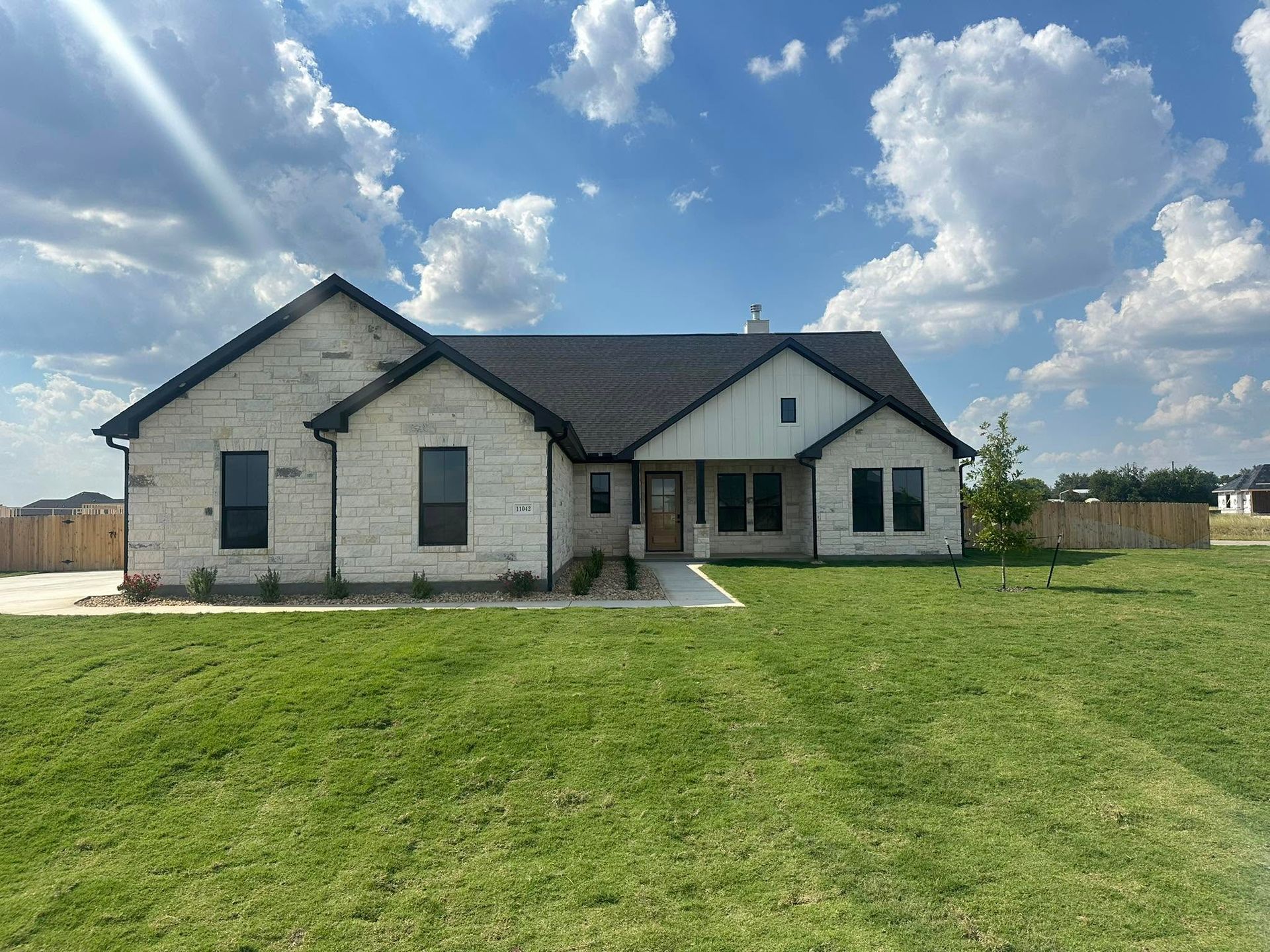
Outdoor Spaces Built Around How You Use Them
Landscaping & Garden Design in Temple for properties needing improved drainage, enhanced curb appeal, or long-term landscape performance
Centex Yard Solutions provides landscaping and garden design in Temple that addresses property size, sunlight exposure, drainage patterns, and specific homeowner goals. Custom garden layouts combine softscaping services—trees, shrubs, seasonal flowers, sod installation, mulch applications, and decorative planting beds—with strategic placement decisions that affect shade coverage, privacy screening, and visual balance. Plant selections are tailored to local soil conditions and climate demands common throughout Central Texas, where summer heat stress and variable rainfall require species that tolerate extended dry periods and occasional heavy moisture.
The design-to-build process ensures continuity from initial planning through final installation, so plant placement decisions made during the design phase translate directly into fieldwork without gaps or revisions. Strategic placement can improve functional outcomes like afternoon shade over west-facing patios, visual screening along property lines, or seasonal color rotation in high-visibility planting beds near entryways.
Schedule a consultation to review a personalized landscape design plan based on your property's specific conditions.
What Proper Plant Selection Requires
Plant selections are matched to local soil conditions, which in Central Texas often include clay-heavy substrates with limited drainage and alkaline pH levels that restrict nutrient availability for certain species. Climate demands include tolerance for high summer temperatures, irregular rainfall, and occasional freeze events in winter months, so plant choices focus on species proven to perform reliably under those conditions without requiring excessive supplemental watering or protection measures.
After installation, you notice improved curb appeal as mature plantings fill in beds and soften hardscape edges, while seasonal flowers provide rotating color throughout the year. Properly placed trees begin to cast measurable shade over outdoor living areas, reducing surface temperatures on patios and decks during summer afternoons, and privacy screening thickens along fence lines as shrubs reach full height.
Mulch applications in planting beds help retain soil moisture between watering cycles, suppress weed germination, and regulate soil temperature fluctuations that stress root systems. Sod installation establishes turf coverage in areas where seed germination would be inconsistent or require extended establishment periods, creating immediate ground coverage that reduces erosion and defines usable lawn areas.
What Homeowners Usually Ask
Garden design decisions affect how outdoor spaces function over time, so property owners often have questions about plant performance, design continuity, and long-term maintenance before moving forward with installation.
What factors determine which plants will perform well on my property?
Sunlight exposure throughout the day, drainage patterns after rainfall, existing soil composition, and proximity to structures or hardscape features all affect which species will establish successfully and require minimal intervention once mature.
How does the design-to-build process work?
Initial site evaluation identifies property-specific conditions like slope, sun exposure, and drainage behavior, then design layouts are developed with plant selections and spacing plans that guide installation crews during fieldwork, so no details are lost between planning and construction phases.
When should seasonal flowers be rotated?
Rotation timing in Temple depends on frost risk in late fall and heat stress thresholds in early summer, with cool-season annuals planted after the last expected freeze date and warm-season varieties installed once nighttime temperatures remain consistently above 60 degrees.
What maintenance do newly installed landscapes require?
Establishment periods typically involve more frequent watering to support root development, with watering frequency gradually reduced as plants adapt to site conditions and root systems expand into surrounding soil.
How do softscaping improvements affect property value?
Strategic plant placement that improves shade coverage, privacy, and visual appeal creates measurable curb appeal improvements and functional outdoor benefits that prospective buyers recognize during property evaluations.
Centex Yard Solutions develops landscape designs that balance aesthetic goals with functional performance across Central Texas properties. Request a property evaluation to review plant selection options and custom layout strategies suited to your site conditions.