Grounds That Reflect Business Standards
Commercial Property Maintenance in Temple for retail centers, office properties, industrial facilities, and HOA common areas requiring consistent professional appearance
Inconsistent landscape maintenance creates negative first impressions that affect customer perception, tenant satisfaction, and property value for commercial real estate. Property managers schedule Centex Yard Solutions for routine groundskeeping when seasonal debris accumulates faster than in-house staff can address, when irrigation failures threaten landscape investments, or when common areas no longer reflect the professional image tenants expect. Full-service maintenance includes landscape cleanups, seasonal plantings, irrigation monitoring, repairs, and appearance improvements tailored to each property's traffic patterns and visibility requirements.
Routine property inspections identify irrigation leaks, storm damage, and failing plant material before visitors notice declining conditions. Flexible scheduling accommodates business hours, minimizing disruption to customers, employees, and daily operations by completing noisy or high-traffic work during off-peak periods.
Request a customized maintenance plan tailored to your property size, landscape complexity, and appearance standards.
What You Notice Once Maintenance Programs Start
Maintenance programs establish service frequencies based on property type—weekly visits for high-visibility retail frontage, bi-weekly schedules for office parks, and monthly service for industrial facilities with lower landscape density. Seasonal updates rotate plantings, refresh mulch coverage, and adjust irrigation schedules as temperatures shift between Central Texas summer heat and milder winter conditions.
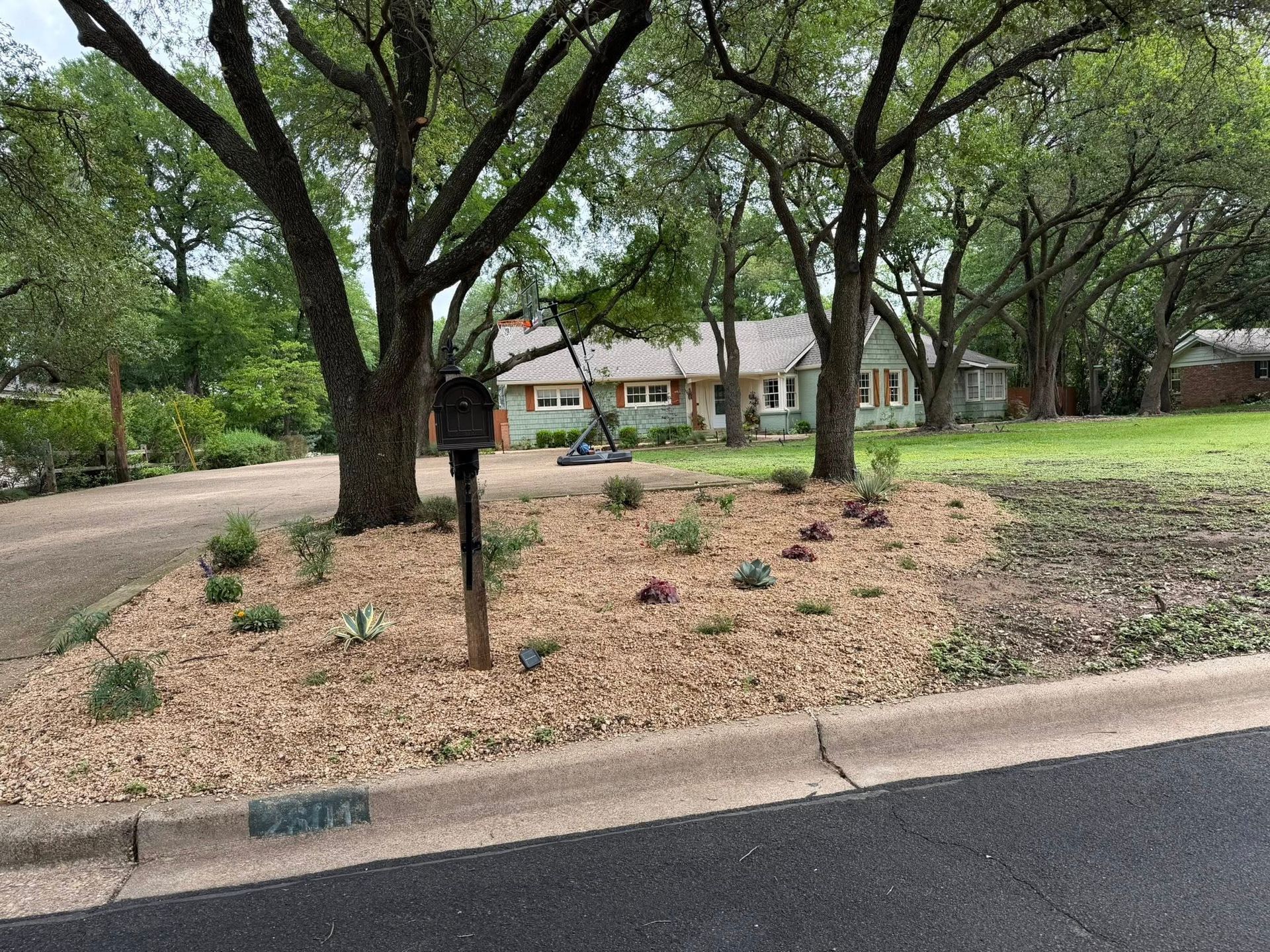
After program implementation, entry landscapes remain debris-free and properly edged, irrigation systems operate without visible leaks or dry zones, and seasonal color updates keep properties attractive throughout the year. Tenants stop reporting landscape concerns, property inspections note maintained grounds rather than deferred upkeep, and visitor-facing areas consistently reflect the professional standards your business requires.
Maintenance agreements include defined service scopes that specify mowing frequencies, bed maintenance intervals, and seasonal enhancements while excluding major renovations or irrigation system overhauls. Documented site visits create accountability records and allow property managers to track completed work against contracted service levels.
Questions Before Starting Commercial Maintenance
Property managers and business owners in Temple ask about service flexibility, response times for urgent issues, and how maintenance programs adapt to changing property needs throughout the year.
How do maintenance schedules adjust for seasonal changes in growth rates?
Mowing frequencies increase during spring growth surges when warm-season grasses actively spread, then taper during summer heat stress and winter dormancy. Seasonal contracts adjust visit intervals rather than maintaining identical schedules year-round, aligning service intensity with actual landscape needs.
What happens when storm damage or irrigation failures require immediate attention?
Maintenance agreements typically include provisions for emergency response within twenty-four to forty-eight hours for issues affecting safety, water waste, or critical landscape areas. Non-emergency repairs schedule within the next routine visit or as add-on services depending on urgency.
When should commercial properties invest in irrigation monitoring versus manual checks?
Properties with extensive turf areas, high water costs, or remote locations benefit most from automated monitoring that detects leaks, broken heads, and controller malfunctions before damage becomes visible. Smaller properties with compact irrigation zones may find manual inspections during routine visits sufficient for catching problems early.
Why do some commercial properties need weekly service while others function with monthly maintenance?
Service frequency depends on visibility standards, landscape density, and growth rates—retail centers with high customer traffic justify weekly attention to maintain pristine appearance, while industrial facilities with limited ornamental plantings often require only monthly cleanup and inspection visits.
How do maintenance programs help prevent larger repair expenses over time?
Regular inspections catch irrigation leaks that would otherwise waste thousands of gallons and kill landscape investments, identify drainage problems before erosion requires expensive grading repairs, and address plant health issues before replacement becomes necessary. Preventive maintenance costs less than reactive repairs and emergency landscape replacements.
Centex Yard Solutions provides reliable maintenance programs that help retail centers, office properties, and HOA common areas present a positive image to visitors and tenants year-round. Schedule a property walk-through to discuss service frequencies, seasonal requirements, and maintenance priorities specific to your commercial landscape in Temple.